Our Mission

Two pathways. One mission. Real independence.

Independence is bigger than driving. We are building access to the technology people with low vision need to participate fully in work, community, and daily life.

Mission Statement

In our own words.

Millions of capable, working-age adults live with progressive eye diseases that corrective measures cannot resolve. Their vision is limited enough that safe driving becomes impossible, yet functional enough that federal disability services remain out of reach.

The system abandons them. We don't.

The DriveAble Foundation closes this gap through two complementary pathways. We are founded and led by someone with low vision who lives this reality every day. We advocate for what works. We build partnerships with technology companies willing to innovate for accessibility. And we refuse to accept that capable people should be left behind simply because the systems around them were not built with their vision in mind.

This is the work that matters. This is the future.

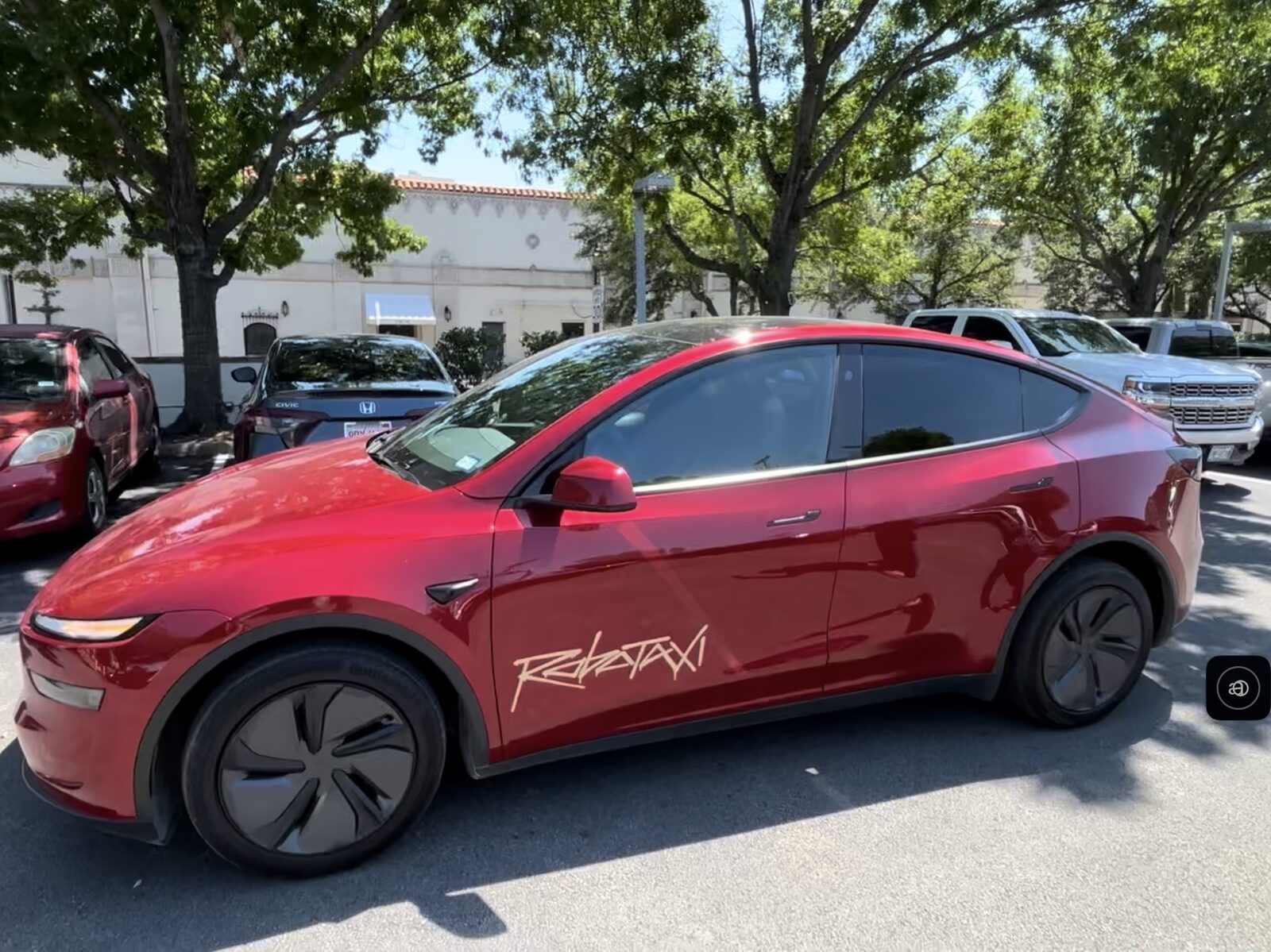
Tesla Robotaxi autonomous vehicle in Dallas
Pathway 01

Transportation Independence

For someone with low vision, the difference between holding a job and losing one often comes down to a ride. We are building access to transportation in two phases: what is possible right now, and what is coming next.

  • Right now: Working with Uber Health

    We have access to the Uber Health platform and are building the funding pathways to subsidize rides for qualified individuals with low vision. Verified through ophthalmologists. Direct. Honest. Real.

  • Next: Autonomous vehicle access

    Autonomous vehicle technology is already operating in limited areas of major cities. We are partnering with technology makers to make this accessible to the low vision community. Rural and underserved communities first.

  • Long view: A self-sustaining fleet

    The foundation is structured and ready to deploy an autonomous vehicle fleet. We are partnering with technology makers to make this accessible to the low vision community as soon as the technology is available.

  • Always: Advocacy

    We push rideshare companies, autonomous vehicle manufacturers, and policymakers to design for accessibility from the start, not as an afterthought.

Smart glasses with augmented reality interface showing time, weather, and notifications
Pathway 02

Daily Living Independence

Transportation gets people to work. Daily living technology lets them do the work. Read the menu. Spot the deer in the distance. Identify a friend across the room. Navigate the grocery store. Build a career. These tools already exist. Most people do not know about them. We are changing that.

  • Wearable vision-assistive devices

    Smart glasses that read signs out loud, magnify the world, identify faces, and narrate the surroundings. The technology is here. We are getting it to the people who need it.

  • Large-screen tablets and accessibility software

    For many people with low vision, a large tablet is easier to use than a phone, offering better readability with magnification, voice control, and accessibility apps. We advocate for and support access to these tools.

  • Workplace accessibility tools

    Accessibility software that magnifies, reads aloud, or enhances contrast on workplace screens. The gap between qualified and employed is often just one piece of software.

  • Research and advocacy

    We follow what is coming and evaluate what works through our low vision research team, drawing on direct experience living with these conditions. We push manufacturers to design with low vision in mind. The next generation of assistive technology should be born accessible, not retrofitted.

Who We Serve

The community in the gap, and beyond.

Working-age adults across the country who are blind or visually impaired. People living with progressive eye diseases like macular degeneration, glaucoma, retinitis pigmentosa, Stargardt disease, diabetic retinopathy, and optic atrophy. People who failed a DMV vision test and watched their license get pulled. People who can still work, still want to work, but cannot drive themselves there.

The gap is our focus, but it is not our limit. The DriveAble Foundation serves anyone living with vision loss, including people who are legally blind. No one gets turned away because of how their vision measures on an eye chart.

70%
Unemployment rate among the blind and visually impaired community in the United States
38%
Of blind and visually impaired adults have turned down a job because of transportation
7.5M
Americans living with blindness or low vision
#1
Transportation is the leading barrier to employment for our community

Sources: American Foundation for the Blind, American Community Survey, World Services for the Blind.

The Connection

Imagine the morning.

Your smart glasses read all the signs in the distance as you walk. An autonomous vehicle arrives to take you to work. The ride is hands-free, eyes-free, stress-free. At work, your tablet magnifies the spreadsheet to a size you can read comfortably. The day starts and you did all of it on your own.

That is not a fantasy. That is the future we are connecting people to, piece by piece, partnership by partnership.

Common Questions

What people ask us.

From people newly diagnosed, family members of someone losing vision, and anyone trying to understand the community we serve.

What's the difference between blind and low vision?

They are not the same thing, even though people often use the words together. Legal blindness in the United States means visual acuity of 20/200 or worse in your better eye even with glasses, or a visual field of 20 degrees or less. Low vision is broader. It covers anyone whose vision cannot be corrected to normal with glasses, contacts, medication, or surgery, but who still has usable vision. The DriveAble Foundation serves people across this entire spectrum.

Can someone with low vision drive?

That depends on severity and state law. Most states require 20/40 vision in your best eye for an unrestricted license. Oklahoma is one of the more lenient states at 20/60. Some states issue restricted licenses for drivers in the 20/40 to 20/70 range, and a handful permit bioptic telescope lenses for driving. Once vision drops below the state minimum, driving is no longer legal. That is the moment many people lose access to work, community, and independence all at once.

What eye diseases can cause someone to lose the ability to drive?

The most common are macular degeneration, which affects central vision, glaucoma, which damages the optic nerve and peripheral vision, retinitis pigmentosa, which causes tunnel vision over time, diabetic retinopathy, which damages the retina in people with diabetes, Stargardt disease, a genetic form of macular degeneration that often appears in younger people, and optic atrophy conditions like ADOA. ADOA is what runs in my family across three generations.

What does it mean to be legally blind?

Legal blindness in the United States is defined as visual acuity of 20/200 or worse in your better eye while wearing corrective lenses, or a visual field restricted to 20 degrees or less. Legally blind does not mean total blindness. Most people who are legally blind still have usable vision. The 20/200 threshold is the line federal programs use to determine who qualifies for Social Security disability, Medicare, vocational rehabilitation, and other supports.

How will autonomous vehicles change life for the blind and visually impaired community?

For most of human history, blind and visually impaired people had to rely on someone else to get around. A family member, a friend, a paid driver, a paratransit van scheduled days in advance. Autonomous vehicles change that completely. A self-driving car that arrives on demand gives someone with low vision the same freedom of movement that a driver's license gives everyone else. This is the most important transportation development for our community in a hundred years.

Why does the foundation focus on the gap between 20/40 and 20/200?

Because nobody else does. People who fail a vision test are told to apply for disability services. Disability services then tell them they are not blind enough to qualify. The state defines them as too impaired to drive. The federal government defines them as not impaired enough to help. Millions of people fall into that middle space. Most are still working, still raising families, still trying to contribute. They don't need pity. They need transportation and the right tools.

That said, the gap is our focus, not our limit. We also serve people who are legally blind, people whose vision is worse than 20/200, and anyone living with vision loss who comes to us for help. No one gets turned away because of how their vision measures on a chart.

Why is transportation such a big problem for the blind and visually impaired?

Because the American economy assumes you can drive. Most jobs require a commute. Most communities are designed around cars. Public transit reaches a small fraction of the country, and rideshare coverage is spotty outside major metros. Research from the American Foundation for the Blind found that 38 percent of blind and visually impaired adults have turned down a job because of transportation. The unemployment rate for the community in the United States hovers around 70 percent. Transportation is not a side issue. It is the single biggest barrier to employment and independence.
Follow the Work

Stay close to the foundation.

Real-time updates, milestones, and stories across every channel. Find us where you already spend time.